

9-to-5 Survival: The Ultimate Food-First Guide to Staying Healthy on the Third Mainland Bridge
Waking up at 4:00 AM to beat traffic on the Third Mainland Bridge is a special kind of corporate warfare. By 11:00 AM, your brain feels fried, your back aches, and you’re relying on willpower and office coffee to keep going. That is why we’ve put together the most effective healthy lifestyle tips for office workers looking to reclaim their energy.
Telling a busy Nigerian professional to “meditate for an hour” or “buy organic kale chips” often doesn’t work. Western wellness advice misses the point. It overlooks the physical toll of a tough daily commute. That is why, at Olanutri Global, we advocate a strict food-first philosophy.
Eating local, nutrient-rich whole foods helps repair your body and sharpen your mind. This way, you can better handle modern workplace stress. Choosing healthy options each day is the top tip for office workers who want to stay sharp and refreshed. However, you do not need a lifestyle overhaul.
You need practical, everyday strategies that fit right into your busy schedule. This guide will help you boost your energy, protect your spine, and beat corporate burnout.
Section 1: The Lagos Commute vs. Your Cortisol: How Long Commutes Raise Stress Hormones Before Work

The Lagos commute is more than a logistical hurdle; it is a physiological challenge. Frequent gridlock causes stress. This stress releases hormones that disrupt your focus even before you get to the office. Recognizing this impact is the first step. It helps you protect your mental energy and get ready for the workday.
This physical and mental strain leads to exhaustion even before you sit at your desk. Understanding how traffic gridlock affects your body is key to regaining your health.
When you sit in traffic for three hours, your body reacts. It thinks you’re under stress, which triggers cortisol production. High cortisol levels can lead to anxiety and fatigue.
If you’re facing long commutes, it’s essential to find ways to manage your stress. Consider listening to music or podcasts. These activities help lower your stress levels and make the journey more bearable.
These delays waste time and create stress that affects you at work. Sitting in traffic keeps your body on high alert, making it hard to relax when you finally sit at your desk. The stress of the road undermines your productivity and long-term well-being.
To counter the physical toll of commuting, you must adopt a proactive strategy. Noticing physical signs of stress, like a racing heart or tense muscles, tells you that your body is on high alert. Once you recognize these signals, you can better manage your stamina. Knowing that these symptoms mean cortisol spikes helps you plan recovery breaks. This way, you can stay focused on your tasks ahead.
A tough commute in Lagos triggers a “fight-or-flight” response. This raises cortisol levels, which disrupt your metabolism and energy levels. To mitigate these effects, office workers should eat local foods high in antioxidants. Additionally, consider consulting a professional about B-vitamin supplements. These supplements can help your nervous system manage chronic stress with greater efficiency.
Imagine starting your day at 5:00 AM. You rush out of the house in Ikorodu, only to hit a wall of brake lights on the Third Mainland Bridge. Your heart races and your palms sweat as a Danfo driver cuts you off. By the time you walk into your office, you haven’t even begun your workday, yet you feel completely exhausted.
That isn’t mental frustration; it is a physical, hormonal takeover.
The Science of the “Third Mainland Bridge” Stress Response
When gridlock traps you, your brain senses danger. It signals your adrenal glands to flood your bloodstream with cortisol and adrenaline. These hormones evolved to assist humans in fleeing from lions. Today, they activate because you are running late for a 9:00 am board meeting.
When cortisol stays high for hours, it wreaks havoc on your body:
- Cortisol triggers the release of glucose, which spikes your blood sugar.
- Visceral Fat Storage: Cortisol promotes the storage of fat around your waist.
- Cortisol Imbalance: This can cause energy crashes. These crashes often make you crave quick fuel, like sugary snacks, throughout the day.
To succeed in the corporate world and avoid burnout, you need to manage cortisol spikes. You can control your stress response by adopting simple daily habits at work.
The “Food-First” Traffic Defence Plan
Lagos traffic is unavoidable. However, you can manage your body’s stress response. Before you reach for heavy comfort foods, pack these local stress-busters in your office bag:
- Ugu (Fluted Pumpkin Leaves) Smoothies: Pumpkin leaves are a good source of non-heme iron and folate. These nutrients are key to making hemoglobin, which transports oxygen to your cells. Proper oxygen levels improve mental clarity and focus. They help you stay alert during long hours at your desk.
- Garden eggs with peanut butter: This mix provides soluble fiber and healthy fats. The fiber content slows glucose absorption. This prevents blood sugar spikes that trigger cortisol release.
- Local Walnuts: These nuts are rich in alpha-linolenic acid (ALA). ALA is a plant-based omega-3 fatty acid that helps lower nervous system inflammation. This protection helps the brain resist chronic mental stress and environmental pollution.
- Unsweetened Hibiscus Tea Drink: Hibiscus flowers are rich in antioxidants. These powerful antioxidants combat free radicals from environmental pollutants.
Nutritional Insurance: Strategic Supplementation
Eating whole, local foods is the nutritional foundation. Yet, let’s be completely honest about the 9-to-5 reality. Between late-night presentations and early-morning rushes, skipping meals happens. Furthermore, modern soil depletion means that even our best vegetables can lack nutrients. Chronic stress speeds up the loss of water-soluble nutrients in your body. This is especially true for B vitamins.
This is where strategic reinforcement comes in. See NeoLife Vitamin B Complex as your scientific “nutritional insurance.” It’s not a quick fix. B vitamins act as the essential facilitators in cellular energy metabolism. When cortisol burns through your natural reserves, a high-quality B-complex bridges the gap. It boosts metabolism and supports the nervous system. Furthermore, it fights deep fatigue that coffee can’t fix.
Want to watch how I dynamically blend this Ugu smoothie and handle morning traffic stress? Check out our complete [Lagos 9-to-5 Survival Guide Video on YouTube].
Section 2: Dashboard Hydration & Snacking
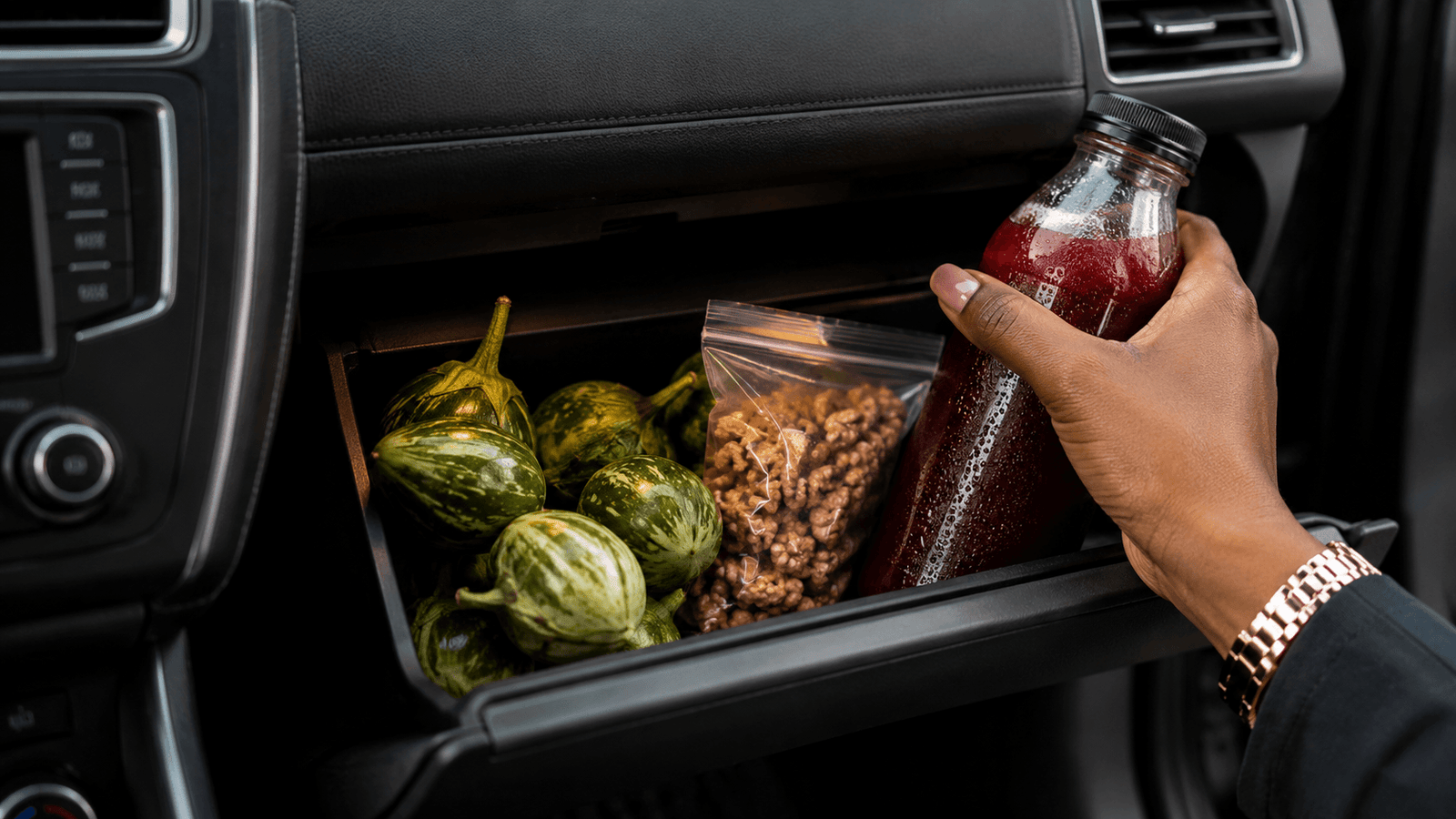
Swap processed roadside snacks and sugary sodas for local, nutrient-dense options. Choose fresh fruit, nuts, or yogurt for a tasty and healthy boost. Eating local whole foods helps keep your energy steady all day.
- Choose better drinks.
- Swap out sugary fizzy drinks for diluted fresh juices or herbal teas.
- These portable snacks give you a steady energy boost. They won’t cause the crash that refined sugars do.
- These choices keep you hydrated and provide energy.
- Supporting local sources also benefits your community.
- Choose local drinks over sugary sodas.
- Opt for fresh fruit or nut snacks instead of chips.
- Look for hydrating options like coconut water.
- Explore local smoothies for a nutrient boost.
- Enjoy herbal teas for a refreshing change.
These swaps can help you stay active and healthy on the go.
Grabbing snacks like sausage rolls and cold drinks in traffic can spike blood sugar. This worsens fatigue and adds to workplace stress. Boost your performance with this easy diet change: swap processed snacks for fiber-rich garden eggs, brain-boosting walnuts, and unsweetened zobo (hibiscus tea). This will help steady glucose levels and keep your energy up.
We have all been there. It is 4:30 PM. You are stuck in an hours-long board meeting that has run well over the scheduled time. Your stomach is growling louder than the office AC unit. Hunger hits hard by the time you finally escape to your car.
A roadside hawker appears outside your window without warning. A chilled bottle of soda and a sausage roll look like heaven. You buy them. You indulge. But within forty-five minutes, your energy completely tanks. That is the classic Lagos traffic trap.
The Hidden Cost of the Traffic Snack Trap
Eating ultra-processed pastries and refined sugar on an empty stomach can raise your blood sugar. Your pancreas panics. It floods your system with insulin to clear the sugar. This triggers a sudden, severe energy crash.
Worse still, these metabolic ups and downs cause your brain to release more cortisol. You start to feel anxious. You’re tired and very thirsty before you reach the next traffic light. Turning this cycle around requires adjusting your daily habits.
Your Dashboard Nutrition Upgrade: The Local Stress-Busters
Avoiding roadside snacks doesn’t mean you have to go hungry. Instead, pack tasty, local options in your dashboard compartment before leaving the office.
- Garden Eggs: These local treasures are high in chlorogenic acid. This antioxidant helps slow glucose release, which supports steadier blood sugar levels. Their high soluble fiber content also absorbs water in your digestive system. This helps you feel full and satisfied without causing bloating.
- Nigerian Walnuts (Asala): These walnuts are a great plant source of omega-3 fatty acids, especially alpha-linolenic acid. These fatty acids fight oxidative stress. This supports brain health and thinking skills as you age.
- Okpa: For a hearty snack, skip the refined flour pastries. Okpa offers complex carbs and plant protein, providing a steady supply of energy.
- Chilled Unsweetened Zobo: Ditch the fizzy drinks. Hibiscus tea is rich in antioxidants and organic acids. These compounds may help lower blood pressure and reduce inflammation. The high water content keeps you hydrated without a sugar crash.
Bridging the Corporate Nutrition Gap
Eating whole, local foods gives you lasting energy for a corporate career. Yet, the 9-to-5 grind often makes maintaining this habit difficult. Deadlines, missed meals, and stress increase your body’s need for nutrients. These stressors speed up the loss of water-soluble micronutrients.
NeoLife Vitamin B Complex is a premium supplement. It can help replace the essential nutrients depleted by stress. It serves as a reliable safeguard for your daily nutritional needs. B vitamins are key catalysts that help turn the food you eat into sustained ATP energy. They support nervous system function and promote natural alertness.
To see exactly how I pack my dashboard lunchbox with Okpa and Zobo to avoid energy crashes, watch the [Lagos 9-to-5 Food & Energy Breakdown on YouTube].
Section 3: Car-Seat Posture Hacks

Easy Adjustments to Prevent Lower Back Pain in Traffic
- Seat Height: Adjust your seat so your hips are level with your knees. This helps support your lower back.
- Backrest Angle: Tilt the backrest at a slight angle. It should support your spine’s natural curve.
- Lumbar Support: Use a cushion or the car’s lumbar support. It fills the gap in your lower back.
- Foot Position: Keep your feet flat on the floor. This supports your legs and helps your back.
- Arm Position: Relax your arms on the wheel. Avoid stretching too far or tensing up.
- Headrest Height: Position the headrest to support the base of your skull. The middle of the headrest should align with the center of the back of your head.
These small changes can help you stay comfortable and ease back pain while driving. Sitting in a car for hours can compress your lumbar spine. This pressure, along with less blood flow and tired muscles, often leads to severe lower back pain.
To fix this, try these key driving tips:
- Place a rolled-up Ankara fabric behind your lower back.
- Adjust your seat to a 100-degree angle, allowing for a gentle recline.
- Support your body’s recovery through your diet.
- Eat anti-inflammatory foods found in local markets, like ginger and turmeric.
These ingredients have compounds that boost the body’s healing and lower inflammation. Diet alone won’t fix mechanical stress. However, these foods can nourish your joints.
Let’s talk about that moment you finally arrive home after the gridlock. You try to step out of your car, and your lower back screams in agony. You walk with a stiff gait to reach your front door.
Slumping for three hours on the Third Mainland Bridge harms your spine. Your car seat feels more like a torture device than a comfortable chair. This isn’t everyday tiredness; it is cumulative mechanical stress causing physical damage.
The Heavy Toll of the “Lagos Slouch”
When you sit inside a car, your hamstrings tighten up. This tightness pulls on your pelvis and forces your lower back into a flat, unnatural curve. Every single bump you hit on the road sends vibrations straight up your compressed spine.
This spinal compression reduces blood flow to your spinal discs. It causes muscle fatigue and leaves you feeling worn out before your day begins. Physical pain triggers cortisol release, which increases stress levels in the body. As a result, your muscles become tighter and are more likely to spasm.
Simple Posture Adjustments for the Road
You cannot fix the potholes on your route. However, you can change how your body handles the long sit:
- The Ankara Lumbar Support: You do not need expensive medical cushions. Instead, roll up a thick Ankara scarf or a small towel. Place it behind your lower back to support your spine’s natural curve.
- The 100-Degree Recline Rule: Avoid leaning back too far as if you were resting on a lounge chair. Set your seat backrest to about 100 degrees. This helps keep your head over your shoulders and reduces neck strain.
- The Steering Wheel Reach: Sit close enough that your elbows remain in a slight bend when you hold the wheel. This simple change relaxes your upper back and keeps your shoulders from tensing up.
Anti-Inflammatory Local Foods to Soothe Your Muscles
Good posture is only half the battle. Your muscles need the right nutrients to repair the damage from hours of sitting:
- Ugu (Fluted Pumpkin Leaves): These leaves are high in magnesium. This mineral works as a natural muscle relaxant. It helps stop painful cramps and spasms.
- Nigerian Walnuts (Asala): These nuts contain high levels of alpha-linolenic acid (ALA). This plant-based omega-3 fatty acid reduces the systemic inflammation that worsens joint pain.
- Zobo (Hibiscus Leaves): Hibiscus leaves are high in vitamin C and polyphenols. These polyphenols are powerful antioxidants. They help repair tissue and lower oxidative stress in tired muscles.
Nutritional Insurance for Stiff Muscles and Spinal Alignment
Sedentary habits often lead to high stress. This stress can drain important minerals, such as magnesium. Chronic stress increases your metabolic demand for magnesium to support the nervous system. This means there is less magnesium to help muscles relax. Over time, this can cause chronic tension, which weakens bone density.
A supplement like NeoLife Chelated Cal-Mag with Vitamin D3 offers key “nutritional insurance.”
Driving can cause lower back pain. Prolonged sitting puts constant pressure on the spine and creates muscle tension. To address these issues, NeoLife’s formula features a unique double amino acid chelation process. This process optimizes mineral absorption in the gut. Chelated magnesium works as a natural muscle relaxant, easing deep muscle spasms. The formula also includes calcium and vitamin D3 to strengthen bones and support long-term skeletal health.
If you want a live, step-by-step visual demonstration of how to position the Ankara lumbar support in your car seat, skip to the posture section of our [Lagos Burnout & Back Pain Video Guide].
Section 4: Mental Decompression Techniques: Breathing Exercises for Traffic Chaos to Office Focus

Breathing exercises can help you switch from the stress of traffic to the calm of the office. Here are some simple techniques:
- Deep Breathing: Inhale through your nose, filling your lungs completely. Hold for a moment, then exhale through your mouth. Repeat several times.
- Box Breathing: Inhale for four counts. Hold for four counts. Exhale for four counts. Hold again for four counts. Repeat.
- Counted Breaths: Inhale deeply, then exhale while counting to five. Each time, try to make your exhale longer.
- These exercises can clear your mind and prepare you for a productive day. So, take a few minutes to breathe and refocus.
- Breathing exercises can help you move from a hectic drive to a calm work mindset. Here are some effective techniques:
- Deep Breaths: Inhale through your nose at a gentle pace, then exhale through your mouth. Repeat several times.
- Counted Breathing: Count to four as you breathe in, hold for four, then count to four as you breathe out. This creates a rhythm.
- Visualization: Picture a peaceful scene while you breathe. This can help clear your mind.
Try these exercises when you arrive at the office. They can set a positive tone for your day.
Dealing with heavy morning traffic puts your nervous system on high alert. This can wear you out mentally before your workday even begins. To recover, try a simple box breathing exercise at your desk to calm your mind. In addition to these exercises, you can sustain your long-term resilience through nutrition. Magnesium-rich leafy greens and B vitamins support mental clarity. This helps your brain recover from the strain of a stressful commute.
You finally pull into the office parking lot. You survived the commercial bus drama, the crazy drivers, and the exhaust fumes. But as you step into the elevator, your mind is still racing at top speed.
Your boss drops a file on your desk and demands an update. Your hands are shaking. Your brain feels foggy, and irritation fills you completely. You are at your desk, but your thoughts are still on the road.
The Cost of Visual and Mental Traffic Chaos
Spending hours on chaotic roads puts your sympathetic nervous system into overdrive. This reaction fills your brain with stress hormones like cortisol and adrenaline. It also redirects blood flow from the prefrontal cortex. This area handles logical thinking, emotional control, and focus. So, your performance suffers.
Instead of focusing on your spreadsheet, your brain is still reacting to road rage. This ongoing mental stress saps your energy, making easy tasks feel like a heavy load.
The 4-7-8 Breathing Reset for Office Focus
You cannot control the chaos on your morning route. However, you can use your breath to signal to your brain that you are finally safe. Before you open your laptop or check your emails, sit in silence at your desk and follow these steps:
- Breathe out completely: Let all the air escape your lungs through your mouth. Make a gentle whoosh sound.
- Inhale through your nose for four seconds, taking in air with minimal sound. This action releases nitric oxide, which widens blood vessels and brings more oxygen to your brain.
- Hold your breath for seven seconds. This pause increases carbon dioxide in your blood. It activates the vagus nerve, which slows your racing heart.
- Exhale for eight seconds by releasing the breath through your mouth. This long, controlled exhale stimulates your parasympathetic nervous system, lowering cortisol.
- Repeat this cycle four times. It takes less than two minutes, but it completely resets your nervous system for deep focus.
Brain-Boosting Local Foods for Cognitive Clarity
Breathing exercises soothe your nervous system. However, your brain also needs the right nutrients to bounce back from stress in the morning. Skip the greasy, fried pastries from the nearby vendor and fuel your mind with these local options:
- Nigerian Walnuts (Asala): These nuts pack alpha-linolenic acid (ALA), an omega-3 fatty acid. ALA supports brain health by lowering oxidative stress and improving communication between neurons.
- Fresh Ugu (Fluted Pumpkin) Juice: Ugu contains high levels of folate (vitamin B9). This nutrient is crucial for producing neurotransmitters like serotonin and dopamine, which improve mood and focus.
- Garden Eggs: These have a strong antioxidant called “nasunin” in their purple skin. Nasunin shields the fat layers in brain cell membranes, keeping your cognitive functions sharp.
Nutritional Insurance for Mental Stamina
When your brain faces constant stress, your cells use nutrients faster. Intense mental focus and daily stressors rapidly deplete your body’s water-soluble micronutrients. This depletion primarily affects your B-complex vitamins.
To counter this depletion, introducing NeoLife Vitamin B Complex provides such vital support. It serves as your daily nutritional insurance policy. Your brain requires B vitamins to turn glucose into clean mental energy and maintain a healthy nervous system. NeoLife’s formula delivers the 8 essential B vitamins in balanced ratios to optimize brain chemistry, reduce mental fatigue, and maintain a sense of calm throughout the day.
NeoLife offers a dual-action defense to restore your energy and ease muscle tension after a 4:00 AM wake-up.
Early mornings and long commutes can drain your energy and lead to painful lower back spasms. To recover, apply an essential lifestyle tip for office workers: take a vitamin B complex for energy and chelated calcium-magnesium to relax your muscles. This combination restores mental clarity while relieving physical stiffness.
It is 4:00 AM. Your alarm goes off. The bedroom is pitch black, but you have no choice but to swing your legs out of bed. By 5:15 AM, you are already locked in a bumper-to-bumper standstill.
This daily routine takes an incredible physical toll on your body. You are fighting a war on two fronts: your mind is completely exhausted from managing road chaos, while your lower back feels stiff and compressed from hours in a static car seat. By the time you get home at 8:00 PM, you are too tired to enjoy your evening, and your body is screaming for relief.
The Cellular Drain of Chronic Traffic Fatigue
When you wake up before dawn and immediately face high-stress environments, your body drains its nutrient reserves to keep you going. Your cells have to work overtime to produce energy without enough rest. This prolonged physical and nervous strain burns through water-soluble vitamins and critical bone minerals at twice the normal rate.
Local foods often can’t keep up with the fast pace of corporate schedules, even if you try to eat healthy meals. When your nutrient intake falls behind your daily stress levels, deep fatigue settles into your cells, and painful knots lock up your muscles. To break this cycle, you need a focused plan that targets both your cellular energy and your physical structure.
The Ultimate Two-Part Restoration Strategy
You cannot change your working hours, but you can change how your body recovers from the grind. Use this targeted routine to rebuild your system from the inside out:
- Recharge the Cellular Battery: Fuel your morning with folate-rich Ugu smoothies and complex plant proteins like Okpa to give your mitochondria the steady fuel they need to keep you sharp.
- Neutralize Systemic Inflammation: Snack on Nigerian walnuts (Asala) for their high omega-3 content, and drink unsweetened zobo to deliver anthocyanins that combat oxidative stress and support cellular repair.
- Release the Structural Locks: Take five minutes after your commute to stretch your hamstrings and open up your chest, reversing the tight, rounded posture caused by steering-wheel strain.
Nutritional Insurance: Your Energy and Muscle Recovery Blueprint
Eating a nutrient-dense, food-first diet gives your body an excellent defensive foundation. A tough 04:00 am routine and long hours in traffic create a big nutritional gap that food alone often cannot bridge. This is where targeted supplementation provides the necessary support. To protect your health, NeoLife Vitamin B Complex and NeoLife Chelated Cal-Mag work in tandem to provide the intelligent, scientific support your body needs.
- Rebuild Your Energy with NeoLife Vitamin B Complex: Think of the vitamin B complex as your cellular power generator. When the stress of your daily commute leaves you feeling completely drained, it depletes the nutrients your body needs to maintain energy levels. NeoLife’s Vitamin B Complex provides a balanced ratio of all eight essential B vitamins. It works at a cellular level to turn your food into clean energy, support your nervous system, and clear that heavy afternoon brain fog.
- Melt Away Muscle Stiffness with NeoLife Chelated Cal-Mag: While B vitamins restore your mental stamina, your muscles and spine need targeted mineral support to recover from the “commuter slouch.” Traditional calcium supplements are hard for the body to break down, but NeoLife uses a unique double amino acid chelation process. This means amino acids bind to magnesium and calcium, helping your gut absorb them with ease.
Chelated magnesium works as a natural muscle relaxant, targeting painful spasms and knots in your lower back with precision. At the same time, the chelated calcium and vitamin D3 work together to strengthen your bones and keep your spine resilient through every single bump on your daily commute.
Take Control of Your Health Today
You do not have to accept constant back pain and deep exhaustion as normal parts of your 9-to-5 career. Your health is your best asset. Now is the time to give your body the support it needs to thrive. Don’t wait until burnout forces you to stop. Take action right now to protect your energy and unlock a pain-free life.
Conclusion
Your health is not a casualty of your career. You do not have to accept constant fatigue, a tight lower back, and mental exhaustion as the mandatory price for professional success in Nigeria.
The real key to thriving in the daily corporate grind isn’t a big lifestyle change. It is the cumulative power of small, intentional choices. When you swap roadside pastries for local walnuts, practice controlled breathing at your desk, and protect your spine, you build an unbreakable shield against stress.
True, lasting wellness starts right on your plate. Focus on local, nutrient-rich whole foods first to help your body thrive. By making these small changes, you can sustain your energy throughout the day.
Embracing this food-first mindset is the single most transformative healthy-lifestyle tip for office workers striving to achieve their goals without burning out. You have the knowledge. You have the tools. Now is the time to take charge of your well-being.
Enjoyed these healthy lifestyle tips for office workers? Join the Olanutri Wellness Newsletter to get one practical Nigerian food solution delivered to your inbox every Saturday morning.
Ready to transform your health with natural wellness tips? Scroll down to the very bottom of this page, drop your email into the signup box in our footer section, and join the Olanutri Global community today!